Biofertilizer
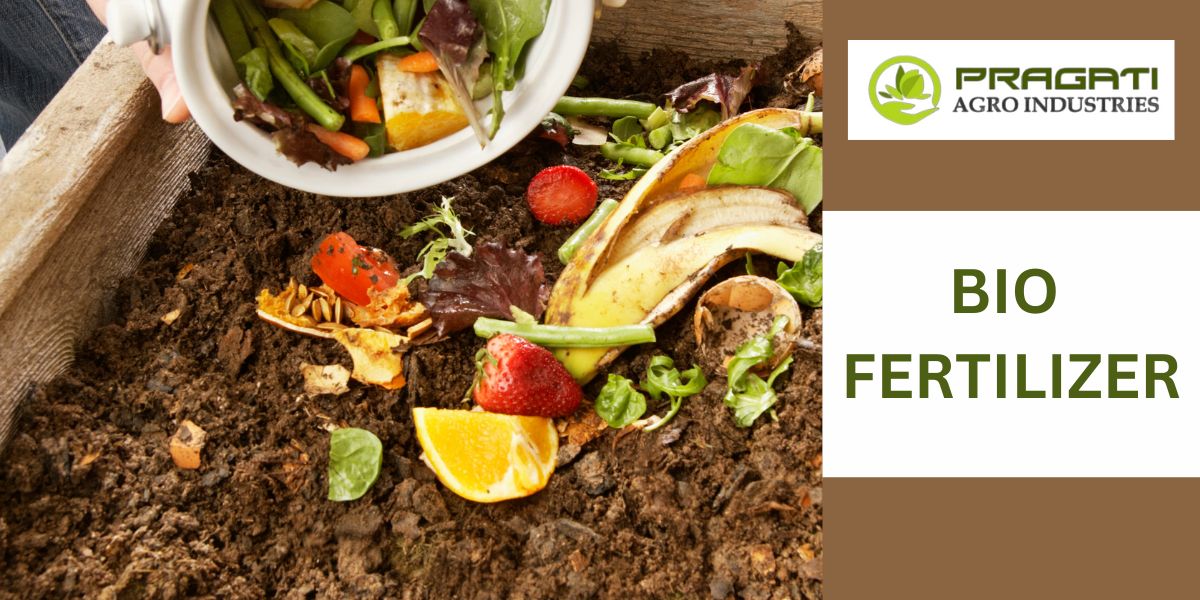
Biofertilizer, often referred to as compost, is an organic substance derived from the decomposition of plant and animal residues. It serves as a rich source of nutrients for soil, enhancing its fertility and promoting healthier plant growth. Various forms of biofertilizer include green manure, compost, vermicompost, and biochar, each offering unique benefits for agriculture and horticulture.
Benefits of Biofertilizer
- Improvement of Soil Fertility: Biofertilizers enrich the soil with essential nutrients, making it more fertile and conducive for plant growth.
- Enhanced Plant Growth: The nutrients in biofertilizer strengthen plant root systems and improve resistance to diseases.
- Increased Water Retention: They help improve the soil's water-holding capacity, reducing water stress during dry periods.
- Improved Soil Structure: Biofertilizers enhance the soil's structure, leading to better aeration and root penetration.
- Support for Organic Farming: The use of biofertilizers is integral to organic farming, reducing reliance on chemical fertilizers and promoting environmental sustainability.
Types of Biofertilizer
- Green Manure: Made from fresh plant residues, green manure quickly decomposes in the soil, providing an immediate nutrient boost.
- Compost: This is created from decomposed organic matter, including plant and animal waste, through microbial activity. It enriches the soil with a wide range of nutrients.
- Vermicompost: Produced through the decomposition of organic matter by earthworms, vermicompost is rich in essential nutrients and beneficial microbes.
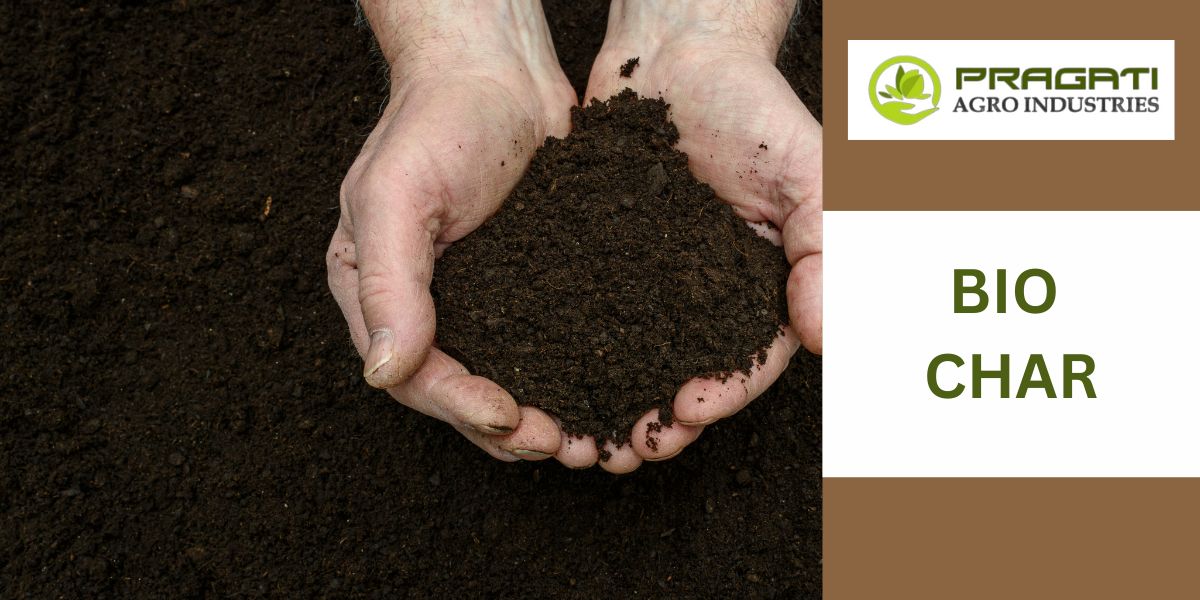
- Biochar: This type of biofertilizer is a form of charcoal made by heating organic material at high temperatures. Biochar improves soil structure, water retention, and nutrient availability.
Uses of Biofertilizer
- As Fertilizer in Agriculture: Biofertilizers are widely used in farming to enhance soil fertility and increase crop yields.
- In Horticulture: They are utilized in the cultivation of flowers, fruits, and vegetables to improve soil quality and plant health.
- For Water Purification: Certain types of biofertilizers, like biochar, can aid in water purification by removing impurities.
- In Organic Farming: Biofertilizers are essential in organic farming practices, promoting sustainable agriculture and environmental protection.
Biofertilizers offer a natural and effective way to enhance soil quality and plant health. Their regular use provides long-term benefits, making them an invaluable component of sustainable agriculture and horticulture. They not only improve soil fertility but also contribute to a healthier ecosystem.